
Finding Lubbock County Residents
Lubbock County keeps no single live list of residents. Where you start decides which trail is useful. An address, a name, or a past year each open different doors. A parcel search shows an appraisal owner and situs address. A recording index names the parties to a deed or lien. A historical directory fixes a household at an address for one edition. Court, voter, vital, license, and business records answer narrower questions. Each carries its own access limits.
Addresses deserve care. When versions differ, keep three of them: the original printed form, a normalized mailing form, and the legal-description or situs form. A no-result proves nothing. Indexing gaps, spelling variants, protected fields, incomplete digitization, and the wrong jurisdiction can all explain it. So can the wrong county entirely.
- Use the mailing address and City GIS context to identify the place, ZIP, and parcel area.
- Search the Lubbock Central Appraisal District card for the Property ID, CAD ID, situs, and owner display.
- Use the County Clerk index for grantor, grantee, reception number, document type, and legal-description clues.
- For a historical household, compare the relevant city-directory edition with the address and year.
- Send a narrow Texas Public Information Act request to the custodian when a public record is not online.
Note: Keep the search date and the exact fields you used with every Lubbock County residents directory result.
Lubbock County Resident Records Offices
Three local offices anchor most Lubbock County record work. The County Clerk, the Lubbock Central Appraisal District, and County Elections each hold a different kind of evidence. The Clerk records instruments and other listed filings. LCAD provides appraisal and parcel context, while Elections handles registration and voter-data requests. The District Clerk owns district-court records. City GIS offers map context rather than any finding on title or occupancy.
The full address-keyed chain sits on the Lubbock County street directory page. At the counter, be specific. Ask for the owning office, the named record type, and a date span rather than asking staff to identify a person.
Lubbock County Parcel Records
LCAD is the best countywide parcel starting point. Its advanced form searches by Property ID, CAD ID, street-number range, street name, city, ZIP, neighborhood, property type, status, tax year, owner name, business name, owner ID, and legal-description fields. Results return Property ID, Account, Owner Name, Situs Address, and Value. The detail view adds bills, a map, a tax estimator, online appeals, and print options. Few county record sources offer this many angles on one parcel.
| LCAD field | Why retain it |
|---|---|
| Property ID or CAD ID | Connects repeat searches to one appraisal record. |
| Situs and legal description | Separates a physical parcel from its mailing format. |
| Owner display and tax year | Supplies a dated appraisal lead, not a title opinion. |
| Neighborhood, block, tract, or lot | Helps when a street address does not match a deed index. |
An LCAD card changes as the office updates its information. Before reading an owner display as a current property interest, compare it with the latest recorded deed. Exemptions add useful context but do not prove who occupies a home.
Lubbock County Deed Index
The EagleWeb Recorder indexes recordings and filings across Lubbock County. Its help material lists Grantor, Grantee, combined Grantor/Grantee, Reception Number, Start Date, End Date, and Document Type. It also covers Basic or Advanced name mode, wildcard searching, and Find Related. Search grantor and grantee separately first. Then narrow by date or instrument family. Save the spelling, recording date, reception number, and legal-description reference from any useful result. The official Lubbock County EagleWeb Recorder page displays the entry point. It opens the Lubbock County residents directory deed trail.
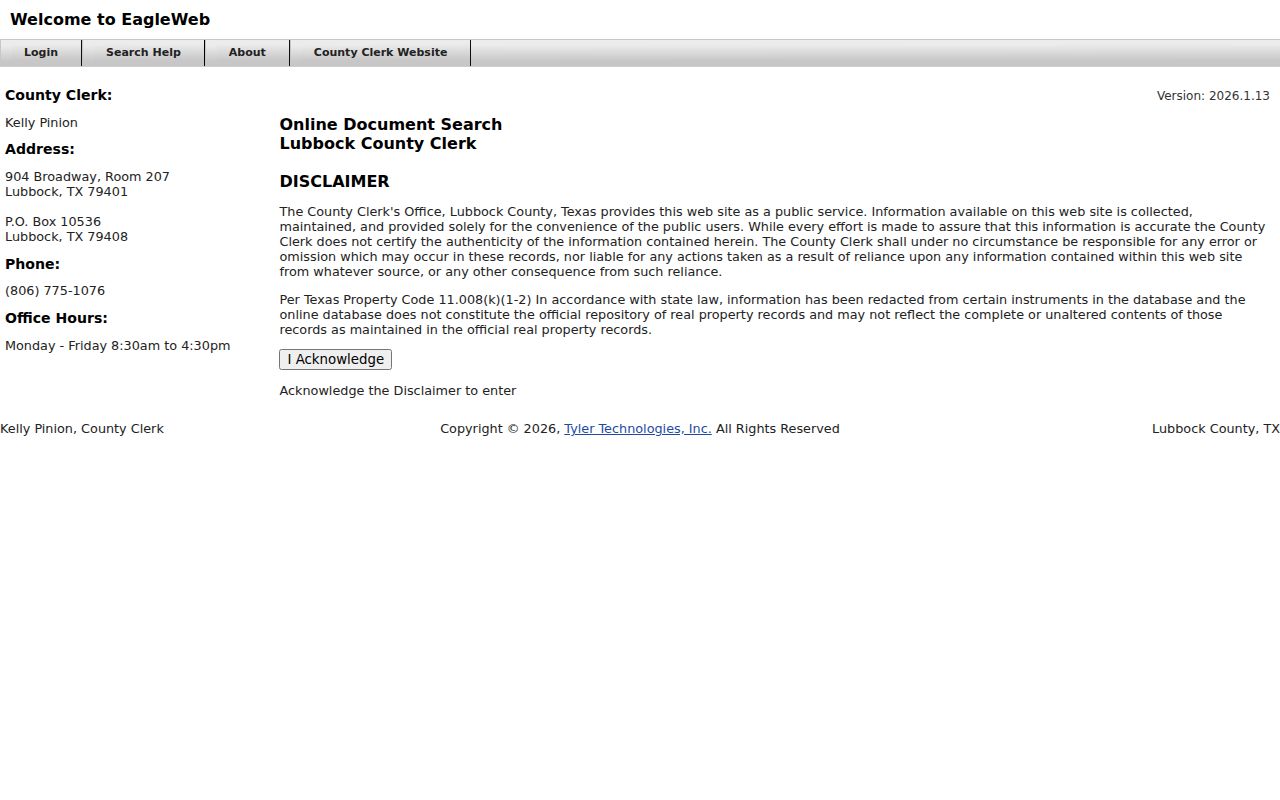
The portal itself warns that it is a convenience copy, not the official repository or a certification of authenticity. When a document matters, go to the Clerk at the courthouse or request a plain or certified copy. A grantor transfers an interest. A grantee receives it.
Current Lubbock County Resident Directories
Current directory-style sources each stand in a different relation to Lubbock County. A public appraisal card belongs to a parcel. A recording index belongs to a filing. A voter record answers to election law. Court and license results are narrow agency records. Compare them by source date and non-sensitive facts rather than merging them into one profile.
| Source | What it can establish | Custodian | Access route |
|---|---|---|---|
| Parcel card | Appraisal owner display, situs, parcel identifiers | LCAD | Public online search |
| Recorded instrument | Named parties and a recording event | County Clerk | EagleWeb, courthouse, copy request |
| Voter record | Status or precinct subject to protected fields | Elections / SOS | VoteTexas or lawful request |
| Court docket | Case-party lead and case status when displayed | District or County Clerk | Separate court portals and counter |
| Historic directory | Dated household and address snapshot | TSL, TTU, Mahon | Reading room, archive, or library |
The Lubbock County resident lookup shows how to test a name match across those separate records without leaning on any single result.
Lubbock County Voter Records
VoteTexas is the statewide entry point for registration status. Texas law treats specified voter information differently from protected SSN, driver-license, personal-identification, and protected-address data. A registration match is a status snapshot only. It proves neither current occupancy nor any ballot choice. The county also sells voter-data products by countywide, precinct, entity, and history selections, with stated fees and a ten-working-day response notice. The official VoteTexas entry point is one route for a Lubbock County residents directory search when election records fit the question.
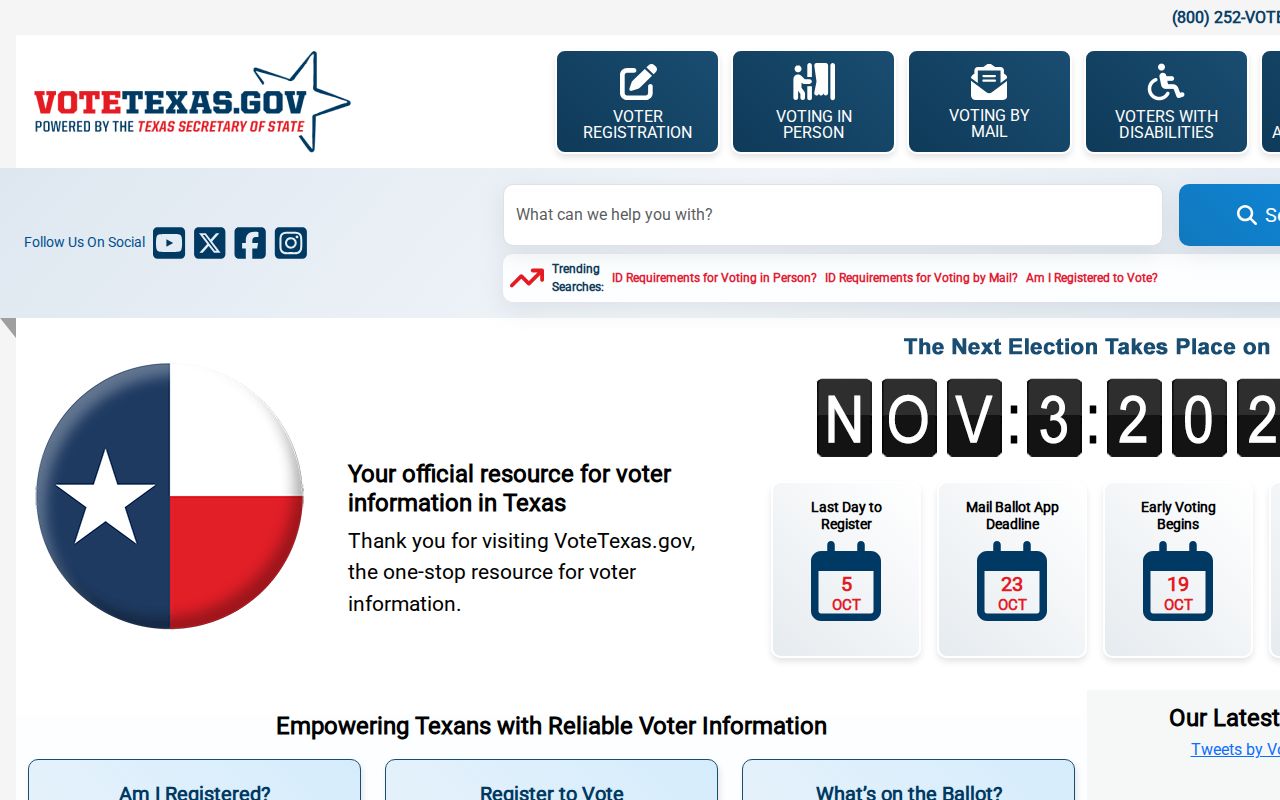
Bring precinct, polling-place, or status questions to County Elections. Never treat an Address Confidentiality Program substitute address as a clue to where a protected person lives.
Lubbock County Court Names
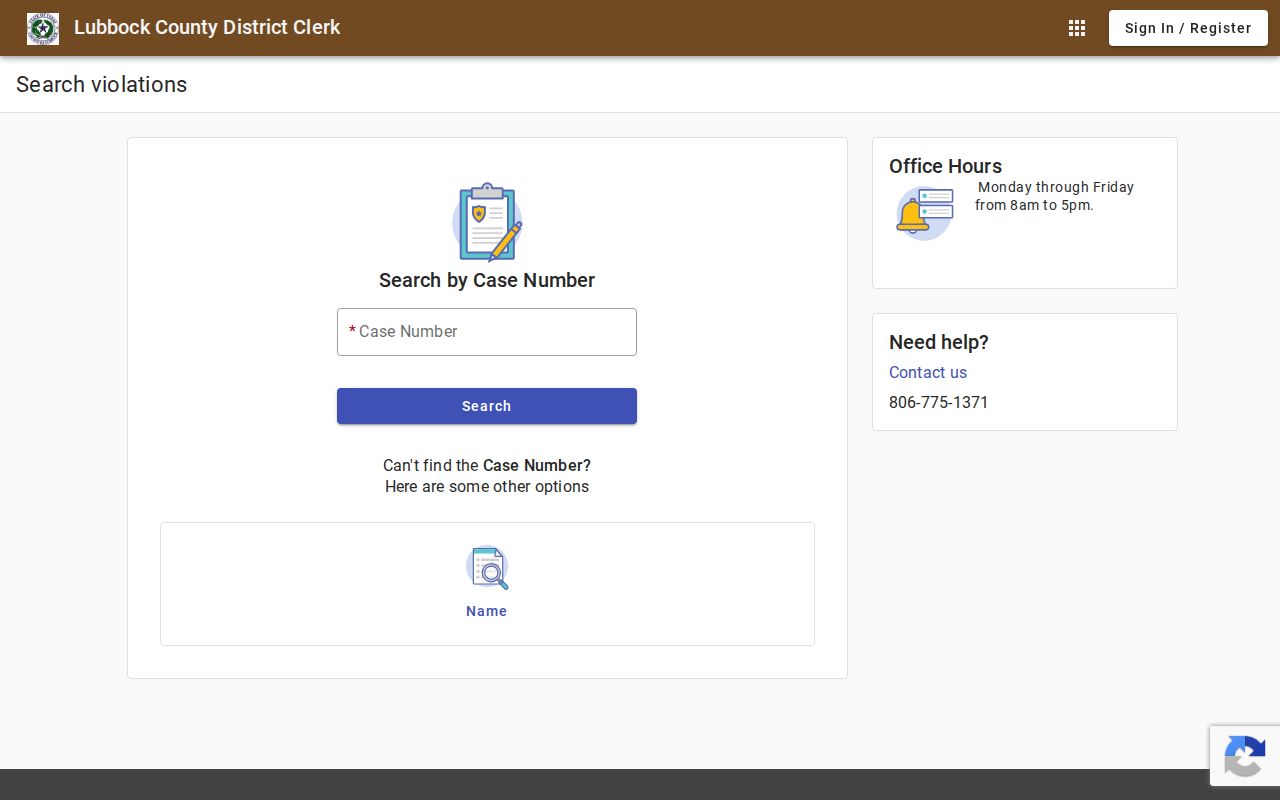
Lubbock runs separate portals for district court and for county or violations cases. The District Clerk search covers case number, name with date of birth, business name, vehicle, and sensitive-number search families. A name search is discovery only. Before describing what a match means, confirm court ownership, the case number, the docket, an order, or a clerk copy. Sealed, juvenile, expunged, and restricted material is not an absence of history. The official Lubbock District Clerk public court search page presents one name-search route.
Online access at the Lubbock County courthouse came back in stages. A 2025 privacy and technology transition reshaped how court records reach the public remotely. The county's remote-access policy still protects courthouse access, so the building itself remains the fallback whenever online results or document images come up short.
Lubbock County Vital Records
Birth, death, marriage, and divorce records for Lubbock County flow through Texas DSHS and the OVRA order system, which handle applications and verifications statewide. Local routes can also apply. Texas law opens birth records after 75 years and death records after 25 years under Government Code §552.115, with stated exceptions. Even so, a certificate or verification carries eligibility, identity, event-age, and fee rules. The County Clerk fee schedule steers many post-1960 local birth and death requests to City Vitals. The Texas OVRA order portal is the official application route, not a public name directory.
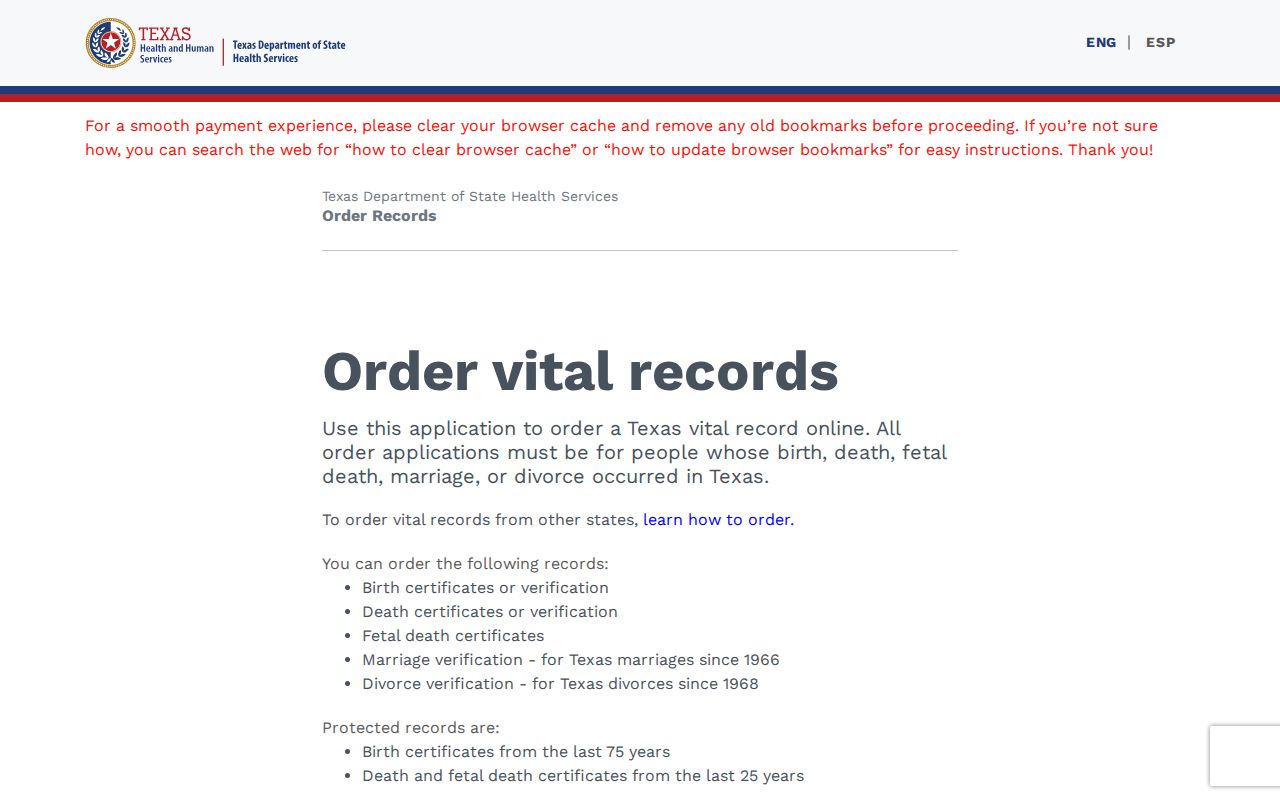
Plan for a wait. Online orders through DSHS have run about 20 to 25 business days. The agency takes online, mail, and in-person applications but no phone requests, so confirm the current form and your eligibility before ordering.
Lubbock County Custody Records
Two custody systems cover two different questions. The Lubbock Sheriff active jail roster shows current county bookings, while Texas Department of Criminal Justice records track state custody. TDCJ accepts a name, an SID, or a current or prior TDCJ number, and it includes detail and notification paths. Remember that a booking display is not a conviction. A state-custody result, likewise, says nothing about whether someone sits in the county jail. The TDCJ offender-search page is the statewide custody route.
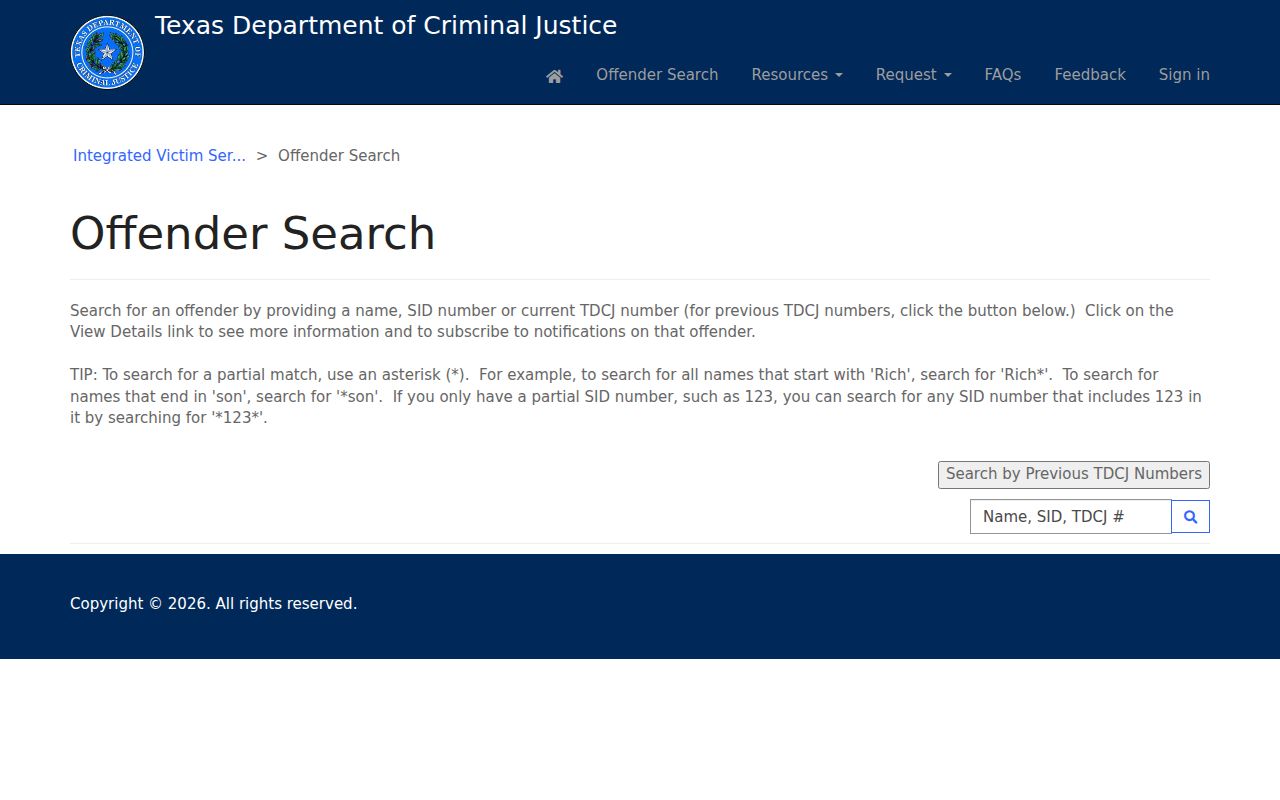
Anchor any result to its context. Note the viewed date, the agency, the booking or case identifier, and non-sensitive corroboration before relying on it. Public safety records carry statutory exclusions, and a similar name alone should never be joined to a Lubbock County resident without solid evidence.
Lubbock County License Leads
Texas agency records can confirm a public professional or occupational license. What they cannot do is establish a home address. TDLR License ID Search offers establishment, individual, or school selections, a license type filter, name or number fields, and result headings for license number, expiration, type, name, and notes. Texas Medical Board profiles and other board portals each set their own public-field rules. The TDLR License ID Search page offers an official Lubbock County residents directory lead for agency-published status information.
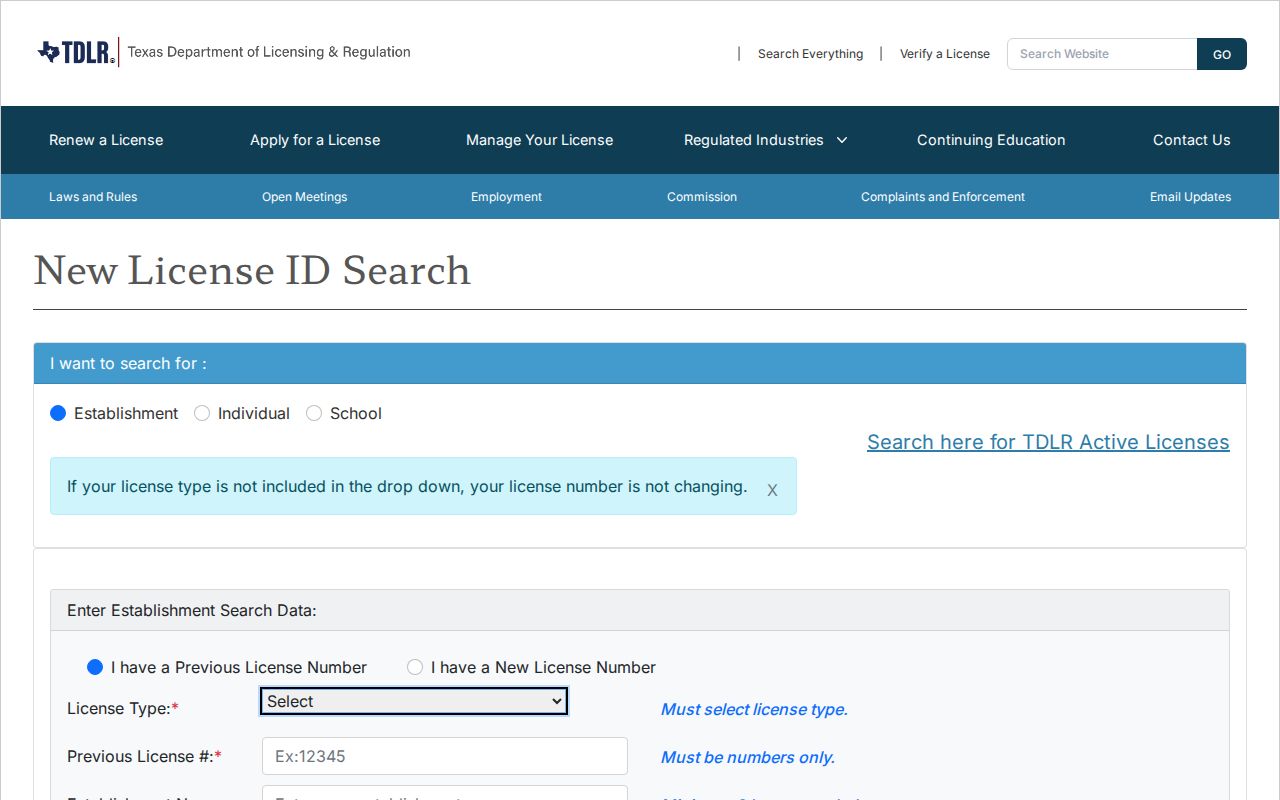
Match a license with its agency, license number, effective or expiration date, and the source date. A practice or establishment address may be a public contact point rather than a residence, so read it that way.
Lubbock County Business Filings
Texas SOSDirect is the official route for entity, assumed-name, UCC, and certificate research. It runs around the clock. Each search carries a stated $1 charge, with copy and certificate fees separate. A County Clerk assumed-name filing can connect a business style to a legal filing. Neither a registered agent nor a principal office, though, proves that an individual lives at that address. The Texas SOSDirect business-search page provides the statewide filing path.
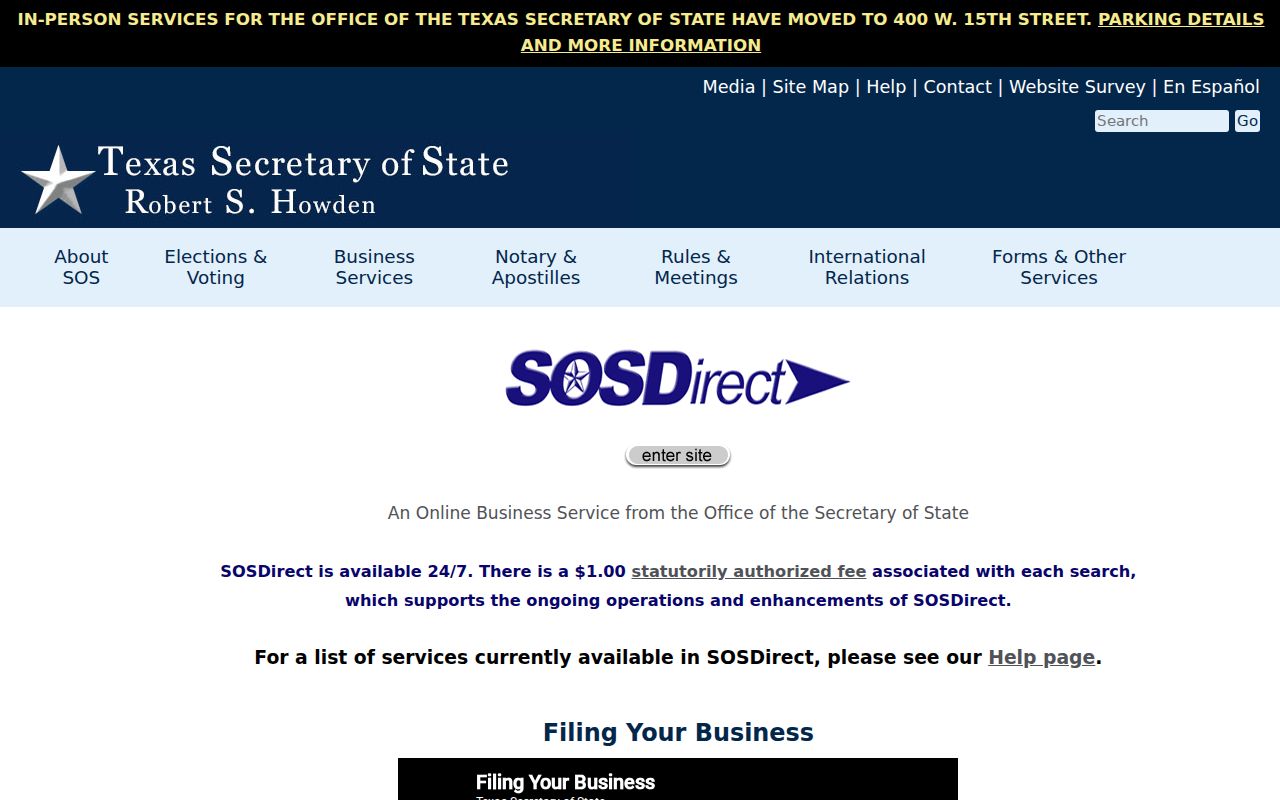
Search exact business names, abbreviations, prior names, and assumed names to catch every filing style. Preserve the entity number and filing date, then turn to the Clerk or other owner for the underlying record.
Lubbock County Records Requests
Texas Government Code Chapter 552 opens the Texas Public Information Act route. It applies when a public source is not searchable. Ask for an existing record. Include the department, record type, date span, address, case or incident number, and preferred format. Inspection is generally without charge. State guidance requires an estimate once a charge would exceed $40. A government body that cannot produce records within ten business days must give a reasonable date. Or it must explain the delay. The City of Lubbock open-records request page handles city-held material. Think of a dated permit, planning record, or incident record.
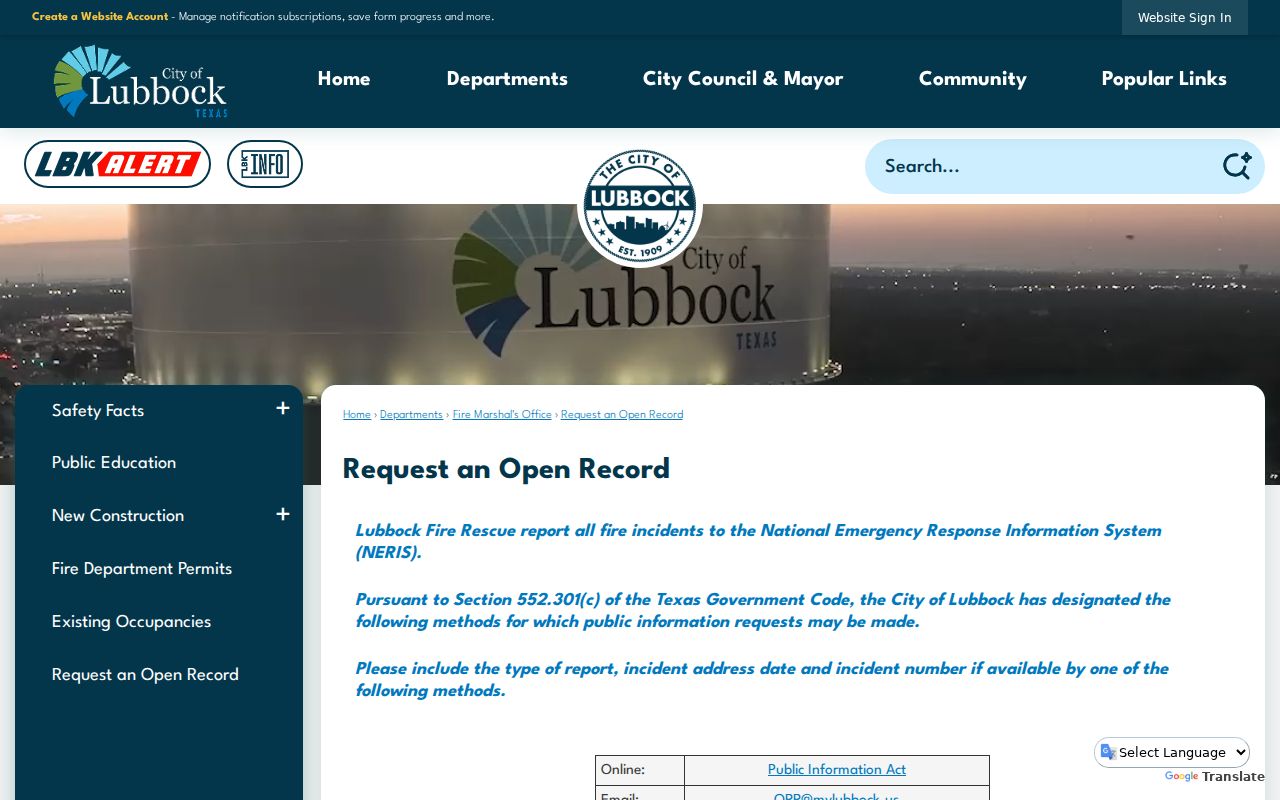
City requests go online, by email, mail, or in person per the City's published route. County offices work differently. The County Clerk, District Clerk, Sheriff, elections office, and archive each remain responsible for their own records.
Use records lawfully. Public material can be incomplete, protected, or wrong. Do not use Lubbock County record leads to stalk, harass, threaten, or expose a protected person.
Historic Lubbock County Resident Directories
The Texas State Library lists Lubbock city directories for selected years from 1925 through 1994, including a near-continuous run from 1960 to 1990. Entries commonly carry name, address, telephone, spouse, and sometimes occupation or an owner-or-renter notation. The Texas Tech Southwest Collection, Mahon Library, and South Plains Genealogical Society add microfilm, books, newspapers, maps, and local help. Treat each directory as a dated snapshot. A missing entry can reflect a missed canvass, a late move, an unlisted household, or the edition date rather than a true absence. Record the volume year, page, section, printed spelling, and original address. The Lubbock County city directory collections page details the shelf and reel options.
- Roll
- A list created for a defined administrative purpose, such as a voter or appraisal record.
- Index
- A searchable pointer to a record, not necessarily the record image or a certified copy.
- Parcel
- A mapped tract of land identified by a property or legal-description reference.
- Criss-cross directory
- An address section that can connect a street location to a historic listing when that edition includes one.
Lubbock County Digitization Changes
Lubbock County's FY2025-26 records-management plan describes automation that began in 2006. It also covers ongoing preservation, digitization, re-indexing, and conversion of older paper, microfilm, and media. That work explains a common puzzle. A portal result may stop short before an older book or image. It does not mean every historical record is already online. For a missing volume, identify the book, reel, page, or year first. Then ask the Clerk, archive, Texas State Library, or Texas Tech collection whether the material is digitized, onsite, indexed, or available for a copy request. A narrow request like that produces a better answer. It beats a general name search through the Lubbock County residents directory. Note: Dates on deeds, directory editions, and appraisal updates run on separate clocks and should not be treated as one move date.